18 November 2026
Respite Care That Feels Like Home: Advantages of Smaller Senior Homes
Presented by @erickowhl442
Business Name: BeeHive Homes of Enchanted Hills
Address: 6336 Enchanted Hills Blvd NE, Rio Rancho, NM 87144
Phone: (505) 221-6400
BeeHive Homes of Enchanted Hills
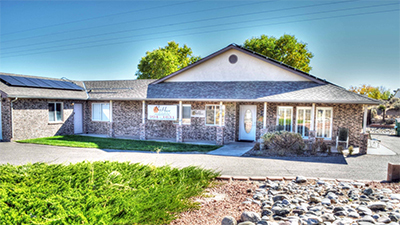
BeeHive Homes of Enchanted Hills offers Assisted Living for your loved ones. 24x7 care in the comfort of a private room with bath. Meals are family style and cooked fresh each day. Stop by today and visit, and see why we always say "Welcome Home!
6336 Enchanted Hills Blvd NE, Rio Rancho, NM 87144
Business Hours
Families typically begin checking out respite care when they are currently tired. A spouse who has not slept through the night in months. An adult kid balancing work, school pickups, and a parent with advancing amnesia. A caretaker who has actually not had a trip in years since every lack feels risky.
At that point, the look for assistance often becomes a race: find a place, any place, that can keep a loved one safe for a week or 2. That urgency is genuine. Yet the setting you choose for respite care can form just how much relief everyone in fact feels, and how your loved one responds when they return home.
In my experience in senior care and assisted living, smaller senior houses typically supply respite care that really seems like home, rather than a short hotel stay with nurses. They do not fit every situation, however for lots of households, they bridge the space between needing a break and wishing to honor a parent's sense of self.
This article looks carefully at why.
What respite care truly uses (when it works well)
Respite care is short term assistance for an older adult so that the primary caregiver can rest, travel, recover from surgical treatment, or just go back for a while. It can last a few days, a couple of weeks, or sometimes a couple of months, depending on the setting and the care plan.
You will see respite care provided in a number of types of senior care environments:
Respite in conventional assisted living
This is the most common option. A bigger neighborhood confesses your parent for a defined duration, generally into a furnished apartment or suite. They get help with everyday activities such as bathing, dressing, medications, meals, and light supervision. It can work effectively, specifically when your parent may later on need a long-term assisted living positioning, because respite provides everyone a possibility to "check drive" the community.Respite in smaller senior residences
These might be called residential care homes, board and care homes, group homes, adult household homes, or by other state particular terms. They normally serve 4 to 16 homeowners in a more home like setting, typically in a residential neighborhood. Personnel provide assisted living design assistance, however the scale and atmosphere feel various from a 100 apartment building or a medical campus.Home based respite
This consists of paid in home caregivers, adult day programs, or a short stay with another relative. It can be ideal for senior citizens who end up being disoriented in unknown environments, however it does not constantly provide sufficient relief, especially for caregivers handling nights of roaming, falls, or personal care needs that are physically demanding.Each technique to respite has strengths. The question is where your loved one is probably to feel secure and comfortable, while you get the genuine break you need. For lots of older grownups, a smaller senior home strikes that balance.
How smaller senior residences vary from large assisted living communities
From the outdoors, the distinctions can appear subtle: both offer assisted living and respite care, both might have accredited staff, care strategies, medication management, and state examinations. The divergence becomes extremely clear once you step through the door.
Large assisted living communities often resemble hotels, resorts, or apartment buildings. They may have long corridors, elevators, a grand dining-room, activity calendars with printed schedules, and a wide range of apartment sizes. For some elders, that sense of scale is energizing. For others, particularly those currently nervous or baffled, strolling into a lobby loaded with complete strangers and sound can feel like an airport on a busy travel day.
Smaller senior houses generally feel more like strolling into someone's home. You may smell onions sautéing in the kitchen area at 10 a.m. You might see 3 citizens around a dining table folding laundry or playing cards. The staff member greeting you may have simply ended up helping a resident with breakfast in the next room.
Here is an easy comparison of what families tend to notice.
-
Size and layout
Smaller homes might have 6 to 12 locals, frequently in a single story house or a compact building. That means less corridors, less doors, and a much shorter walk from bed room to bathroom or living room. For somebody with arthritis or early dementia, this can decrease fatigue and confusion. -
Staff relationships
In a small house, a caretaker usually knows every resident by name, regular, and quirks within days. It is far easier to bear in mind that Mr. Harris requires his coffee before he will take his tablets, or that Mrs. Nguyen gets anxious if her evening shower is far too late. In a big neighborhood where personnel turn through different wings, it can take much longer to get to that level of familiarity.
-
Sensory environment
Big dining rooms, paging systems, continuous movement in corridors, and bright lighting can feel overwhelming to some older adults. A smaller home tends to have more constant background sound and less crowds, which matters a lot for individuals with hearing loss or cognitive changes. -
Daily rhythm
In a smaller residence, assisted living routines frequently align more carefully with the natural rhythm of a family. Breakfast might be staggered, with some residents eating at 7:30 and others at 9:00, rather of a strict 8:00 to 9:00 window. This flexibility can make respite care feel more like staying with extended family and less like being on a cruise ship schedule. -
Visibility and supervision
Because the space is smaller and more open, staff can generally see and hear citizens more easily. For respite guests who are at fall danger or who might attempt to stand without calling for help, that constant informal supervision can be as crucial as any official safety measure.
None of these qualities immediately make a small residence much better. They do, nevertheless, shape the kind of experience your parent has during respite care. For an individual already tired of institutions and waiting spaces, a home sized setting can feel like a deep exhale.
What "feels like home" suggests to older adults
Families often state, "We want something that feels like home," however everyone indicates something a little various. When older grownups describe a favorable respite remain in a smaller senior residence, they hardly ever speak about chandeliers or theater rooms. They talk about moments.
A female in her eighties who remained in a 6 bed home for 2 weeks as soon as told me, "They let me help dry the dishes, so I did not feel useless." That easy gesture mattered more to her than the medication management that her daughter found most impressive.
In smaller senior residences, staff can typically weave meaningful options into normal regimens:
- Allowing a resident to peel carrots at the kitchen table while personnel prepare soup.
- Asking a retired instructor to check out aloud to another resident with vision loss.
- Letting someone bring their own quilt, recliner, or preferred mug rather than relying exclusively on standard furniture.
Those details may sound small, however they speak with dignity. Many older grownups have invested a lifetime running families, raising families, and making decisions. A respite stay that strips away all those roles, even briefly, can feel embarrassing. A smaller environment lowers that risk by making involvement simpler and more natural.
There is likewise the issue of identity. In a big assisted living community, a respite resident is frequently "apartment 214 for 2 weeks." In a small home, staff and other residents may quickly find out that your father is the one who utilized to fix planes, or that your mother is the baker who still knows 5 pie crust dishes by heart. That sense respite care of being called more than a room number can relieve the stress and anxiety of being far from home.
Emotional advantages for both the senior and the caregiver
When respite care feels institutional, families will in some cases cut stays short. A kid plans two weeks away, then races home after 5 days because his mother sounds miserable on the phone. The caregiver gets only partial relief, and the senior may end up being more resistant to any future respite.
Smaller senior residences frequently flip that pattern. I have seen families sheepishly admit that their parent did not want to leave at the end of a respite visit. That can sting at first, but it is usually a sign that something went right.
For the older grownup, the advantages frequently consist of:
A softer landing
The transition from home to respite care can activate confusion, worry, or even anger. Strolling into a warm, workable area with a handful of individuals feels less like being "sent out away" and more like going to a relative who happens to have extra help on site.Reduced loneliness
Main caretakers are not always able to supply social stimulation day after day, especially if they are working or managing health concerns of their own. In a small residence, casual conversation is simple. 4 individuals around a table can hear each other. Games, music, or TV watching become shared activities rather than huge events that require register and announcements.
Preserved routine
If your father constantly naps after lunch, a smaller home is more likely to accommodate that without pressing him to attend a scheduled activity. Familiar patterns minimize agitation, specifically for individuals with dementia.For caregivers, the emotional relief comes from understanding that respite care is not just custodial. When you feel great that your loved one is in a place that treats them as an individual, not a job list, you can rest or travel without the consistent pull of guilt.
That assurance has quantifiable effects. Caretakers who take regular, high quality respite breaks are less likely to develop severe anxiety, most likely to keep their loved one in your home longer, and frequently more patient everyday. It is not indulgence. It is maintenance.
Clinical and security benefits you may not expect
Families in some cases worry that small homes can not match the medical requirements of large assisted living neighborhoods. Sometimes that holds true, particularly for citizens with intricate medical needs. Yet there are also security benefits that show up in daily practice.
Observation and early intervention
In a home with eight locals, a change in habits is difficult to miss out on. If an usually social individual unexpectedly avoids meals, personnel will observe within a day. Subtle shifts in gait, hunger, or sleep typically get picked up quicker in small settings just since there are less individuals to track.Fall threat management
The tighter design of a small home can in fact minimize fall danger. Staff hear a walker scraping on the floor or a call from the restroom. Common areas are visible from the kitchen, where staff spend a lot of time. Instead of relying solely on call bells or set up rounding, caregivers can respond in genuine time to what they see and hear.Medication consistency
Bigger communities typically have medication service technicians who pass medications to lots of citizens per shift. Systems and training matter a lot, and lots of do this safely. A small home, nevertheless, may have the exact same caretaker helping with medications, meals, and individual care for the same handful of homeowners day after day. Familiarity decreases the danger of subtle errors like missing an as needed stress and anxiety medication before a known trigger, such as sundowning.Nutrition and hydration
Home design cooking areas are not just about aesthetics. Being near the gives off cooking can promote cravings. Personnel can also use small, frequent treats or beverages tailored to each resident's preferences without needing to collaborate with a main kitchen. For respite guests who get here somewhat dehydrated or undernourished, 2 weeks in a home that constantly provides sips of water and easy, fresh foods can make a noticeable difference.Of course, clinical quality differs extensively among both small homes and big assisted living communities. Licensure, personnel training, and management all matter. A warm living room does not make up for bad infection control or lax medication practices. That is why cautious evaluation is crucial.
When a smaller residence is not the right fit
Smaller senior homes are not a magic service. There are real limitations, and in many cases, a larger assisted living or perhaps a proficient nursing facility is the more secure choice for respite care.
High medical complexity
If your loved one requires everyday wound care, regular injections, ventilator support, or complex IV therapies, lots of small homes are not geared up or certified to deal with those requirements. Some might partner with home health or hospice companies, but that still requires a greater level of personnel proficiency and coordination.Severe behavioral symptoms
Certain types of dementia related behavior, such as frequent hostility, repeated efforts to leave the structure, or extreme nighttime roaming, might overwhelm a small home's staffing design. A memory care system in a larger neighborhood, with protected outside areas and more specialized shows, can in some cases handle these behaviors more safely.Specialized rehabilitation
If the goal of respite is intensive rehab after surgical treatment or health problem, a short remain in a proficient nursing or rehabilitation facility, with on site physical, occupational, and speech therapy, may be more effective. A small residence can support ongoing workouts but is seldom established for multiple treatment sessions per day.Regulatory variation
Regulations for small senior residences vary enormously by state or nation. Some are securely controlled and must meet almost the very same requirements as assisted living neighborhoods. Others fall under looser board and care or residential care guidelines. Families need to understand what level of care is lawfully allowed in that particular setting.Cost and insurance
Respite care is often private pay, regardless of setting. In some markets, high demand and minimal supply suggest that small homes charge a premium. Long term care insurance plan might have specific requirements about center type, licensure, or minimum bed counts. Constantly verify that a small home meets your policy's definition of assisted living or qualified senior care.Recognizing these borders does not negate the advantages of smaller homes. It merely helps you match your loved one's needs to the right tier of elderly care.
How to examine a small home for respite care
A tour and a sales brochure tell only part of the story. What matters most is how the location feels and works on a common Tuesday afternoon, not throughout an arranged open house.
Here are essential questions and observations that can assist you examine whether a small senior home is likely to supply respite care that seems like home.
-
How do personnel interact with homeowners when they do not understand you are watching?
Step back for a minute during your visit. Listen to how caregivers speak to homeowners. Do they utilize given names respectfully, make eye contact, and respond to demands without delay? Or do they rush previous, prevent discussion, or talk over homeowners as if they are not present? -
What do you observe about the rhythm of the day?
Focus on whether homeowners look engaged or uneasy. Are individuals sitting alone in their spaces with doors closed, or do you see small clusters talking, viewing television together, or helping with basic tasks? A calm, purposeful environment is an excellent sign. -
How embellished are routines and care plans?
Request for examples of how they adapt schedules. If your mother likes to shower in the evening and wear her own nightgown, can they accommodate that? If your father follows a rigorous religious diet or prayer schedule, have they managed that sort of demand before? -
What is the backup prepare for medical issues during respite?
Clarify who the on call clinician is, which pharmacy they use, and how they handle urgent however non emergency circumstances. Ask to walk you through a current example of a resident who ended up being acutely ill and how they responded. -
How transparent are they about staffing and training?
Ask direct questions about overnight staffing, caretaker to resident ratios, and training around dementia, falls, and medications. Facilities that offer clear, concrete responses are generally more reliable than those that depend on unclear assurances.
If the answers feel incredibly elusive, or if something in your gut feels off, keep looking. Assisted living and respite care are intimate services. You are relying on strangers with your parent's most susceptible moments. Any sense of discomfort deserves your attention.
Making respite feel familiar: what households can do
Even in the warmest small residence, your loved one will adjust more easily if pieces of home featured them. Personnel can provide skilled senior care, but families carry the history that makes that care deeply personal.
You can alleviate the transition into respite care in a smaller home by concentrating on 3 areas.
First, send out a brief "owner's manual."
Compose a couple of pages about your loved one's regimens, likes, and dislikes. Include usual wake and sleep times, favorite television shows, foods they dislike, hobbies, previous professions, and family members' names. Share how they prefer to be dealt with. This gives caretakers a head start on relationship building.Second, bring sensory anchors.
Pack a familiar quilt, pillow, pictures, the mug they grab every morning, or the lotion whose odor they connect with relaxation. For people with dementia, these sensory cues can reduce agitation. For others, they just make the room feel less like a guest bedroom.Third, strategy communication that supports, not weakens, adjustment.
When households and small residences work together this way, respite care does more than cover basic assisted living requirements. It ends up being a short season where everybody can regain strength, then return to their roles with a bit more perseverance and a little less weariness.
Why smaller, home like settings matter for the future of elderly care
Demographics are shifting. More older grownups are dealing with multiple chronic conditions, while less adult kids are offered as full time caretakers. At the same time, lots of seniors resist institutional care, even briefly, since they associate it with loss of control and identity.
Smaller senior houses that use respite care in a home like environment are not a luxury experiment. They are a useful action to these pressures. By mixing the structure of assisted living with the intimacy of a household, they give households alternatives in between "do whatever at home" and "relocate to a big facility."
For policymakers and senior care experts, supporting this model suggests:
- Ensuring thoughtful guideline that protects locals without crushing small operators under improper requirements developed for much bigger campuses.
- Encouraging partnerships in between small homes and healthcare providers, so that respite visitors can receive collaborated healthcare when needed.
- Educating families and referral sources about the full spectrum of respite options, not simply the largest and most noticeable brands.
For families, the invitation is easier. When you try to find respite care, do not assume that bigger immediately implies more secure or much better. Visit both large assisted living communities and smaller homes. Listen to your loved one's responses. View how personnel relocation, speak, and notice.
Respite care that seems like home is not about decoration or marketing language. It has to do with whether an older grownup can walk into a place, breathe, and believe, "I can live here, even if it is just for a little while." Smaller senior houses are distinctively placed to produce that feeling, and when they do, everyone associated with care feels the difference.
BeeHive Homes of Enchanted Hills provides assisted living care
BeeHive Homes of Enchanted Hills provides memory care services
BeeHive Homes of Enchanted Hills provides respite care services
BeeHive Homes of Enchanted Hills supports assistance with bathing and grooming
BeeHive Homes of Enchanted Hills offers private bedrooms with private bathrooms
BeeHive Homes of Enchanted Hills provides medication monitoring and documentation
BeeHive Homes of Enchanted Hills serves dietitian-approved meals
BeeHive Homes of Enchanted Hills provides housekeeping services
BeeHive Homes of Enchanted Hills provides laundry services
BeeHive Homes of Enchanted Hills offers community dining and social engagement activities
BeeHive Homes of Enchanted Hills features life enrichment activities
BeeHive Homes of Enchanted Hills supports personal care assistance during meals and daily routines
BeeHive Homes of Enchanted Hills promotes frequent physical and mental exercise opportunities
BeeHive Homes of Enchanted Hills provides a home-like residential environment
BeeHive Homes of Enchanted Hills creates customized care plans as residents’ needs change
BeeHive Homes of Enchanted Hills assesses individual resident care needs
BeeHive Homes of Enchanted Hills accepts private pay and long-term care insurance
BeeHive Homes of Enchanted Hills assists qualified veterans with Aid and Attendance benefits
BeeHive Homes of Enchanted Hills encourages meaningful resident-to-staff relationships
BeeHive Homes of Enchanted Hills delivers compassionate, attentive senior care focused on dignity and comfort
BeeHive Homes of Enchanted Hills has a phone number of (505) 221-6400
BeeHive Homes of Enchanted Hills has an address of 6336 Enchanted Hills Blvd NE, Rio Rancho, NM 87144
BeeHive Homes of Enchanted Hills has a website https://beehivehomes.com/locations/enchanted-hills/
BeeHive Homes of Enchanted Hills has Google Maps listing https://maps.app.goo.gl/5LqAWwumxTEeaW5p7
BeeHive Homes of Enchanted Hills has Instagram page https://www.instagram.com/beehivehomesriorancho/
BeeHive Homes of Enchanted Hills has an YouTube page https://www.youtube.com/@WelcomeHomeBeeHiveHomes
BeeHive Homes of Enchanted Hills has an Facebook page https://www.facebook.com/beehivehomesenchantedhills/
BeeHive Homes of Enchanted Hills won Top Assisted Living Homes 2025
BeeHive Homes of Enchanted Hills earned Best Customer Service Award 2024
BeeHive Homes of Enchanted Hills placed 1st for Senior Living Communities 2025
People Also Ask about BeeHive Homes of Enchanted Hills
What is BeeHive Homes of Enchanted Hills Living monthly room rate?
The rate depends on the level of care that is needed. We do a pre-admission evaluation for each resident to determine the level of care needed. The monthly rate is based on this evaluation. There are no hidden costs or fees
Can residents stay in BeeHive Homes until the end of their life?
Usually yes. There are exceptions, such as when there are safety issues with the resident, or they need 24 hour skilled nursing services
Do we have a nurse on staff?
No, but each BeeHive Home has a consulting Nurse available 24 – 7. if nursing services are needed, a doctor can order home health to come into the home
What are BeeHive Homes’ visiting hours?
Visiting hours are adjusted to accommodate the families and the resident’s needs… just not too early or too late
Do we have couple’s rooms available?
Yes, each home has rooms designed to accommodate couples. Please ask about the availability of these rooms
Where is BeeHive Homes of Enchanted Hills located?
BeeHive Homes of Enchanted Hills is conveniently located at 6336 Enchanted Hills Blvd NE, Rio Rancho, NM 87144. You can easily find directions on Google Maps or call at (505) 221-6400 Monday through Sunday 9:00am to 5:00pm
How can I contact BeeHive Homes of Enchanted Hills?
You can contact BeeHive Homes of Enchanted Hills by phone at: (505) 221-6400, visit their website at https://beehivehomes.com/locations/enchanted-hills/ or connect on social media via Instagram TikTok or YouTube or Facebook
Residents may take a trip to Mountain view Park . Mountain view Park offers accessible paths and seating areas suitable for assisted living, memory care, senior care, elderly care, and respite care strolls.